We put artificial intelligence to work inside businesses that make things.
We connect it to email, management system and machines: it follows every job from order to payment and learns from what really happens.
The difference
Today’s artificial intelligence writes, answers, and is starting to act on its own. But of the physical world it has no experience.
A machine that stops, a material that runs out, a job that waits: it knows nothing about your shop floor. The next leap is an intelligence that understands the physical world. We bring it into small and medium businesses.
- It learns from what happens at your place.
- A model knows what has been written down. It doesn’t know why the line stopped on Tuesday, who decided what, or how it turned out. For every job we keep the situation, the decision and the result: that’s what the agent learns from.
- First the work gets redesigned, then the agent goes in.
- The first electric motor took the place of steam and the factory stayed as it was; the gain came when the work was redesigned around the motors. That’s why we start from the steps: where data gets copied again, where a job waits, which check comes too late. Then we decide together what to change.
- It tests, measures and keeps only what works.
- Every change starts from a written hypothesis. It is tried on a few jobs and compared with the starting number. If it doesn’t hold up we go back, and the reason stays on record. A person makes the decision.
- The same method made this film.
- Text, voice and animations were made by artificial intelligence agents, in twenty-five versions, and other agents checked them. One person corrected and decided.
How it works
How? Three steps.
We write down how you work, step by step.
From quote to payment. That is how the hidden costs come out: what isn’t written down can’t be improved.
Example: the route of an order.
- Quote
- Order
- Double entryhidden cost
- Production
- Remindershidden cost
- Delivery and payment
We connect machines, warehouse, orders and email.
Where data is missing, we bring the measuring tools. Your people show the system how the work is done. So what the business already knows, but keeps in pieces, can be seen together.
Example: what gets connected.
Agents do the work, and try to do it better.
An agent is an AI you hand a whole task to: reading emails, preparing an order. It tries a change on a few jobs, compares the results and keeps only what works. It proposes, you decide.
Example: how a change gets tried.
The agent at work
See how it would work.
Pick a customer message. This is a simulation: messages, people and data are fictional.
The customer’s message
Marco, purchasing
Hello, I confirm 200 flanges as per the attached drawing, rev. C. Delivery by the 20th.
What the agent does
- ItemFlange F-120
- DrawingRevision C: the last order was on B
- Material140 of 200 in stock: supplier order ready
- MachineMachining centre 2 free from Thursday: delivery on the 19th
Work order filled in with revision C, to be confirmed.
Luca, in production, sends it with one click. The doubt is cleared up before production.
The customer’s message
Hotel Mirò, on WhatsApp
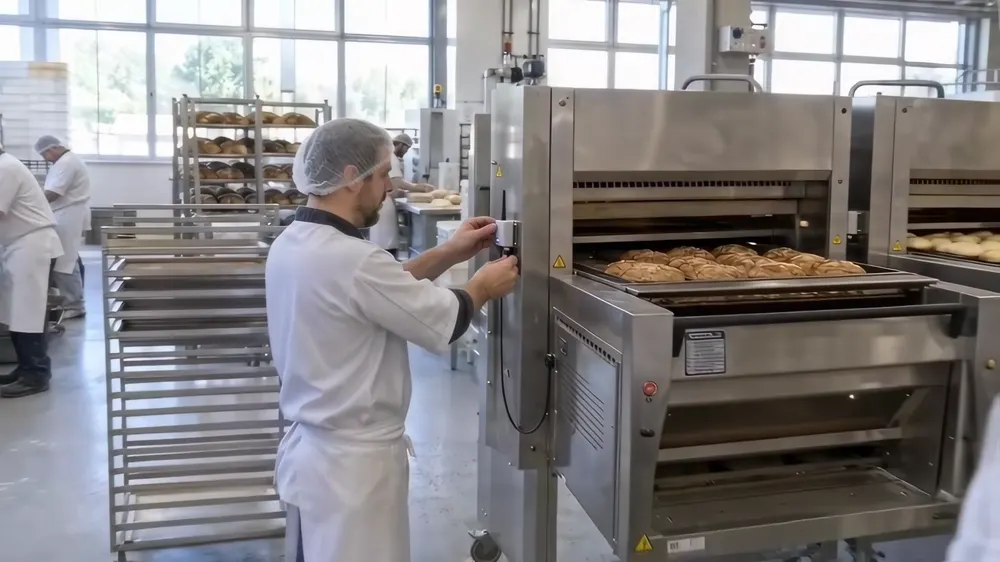
Good evening, for tomorrow 40 kg of bread instead of 30 and 10 trays of focaccia. Can you do it by 6?
What the agent does
- CustomerRegular Tuesday order
- FlourEnough in stock
- Oven30 kg fit by 6: the other 10 by 7
- DeliveryTwo runs: at 6:30 and 7:30
Oven plan updated, to be confirmed.
Rosa, in the bakery, sends it with one click. The order doesn’t get lost in the chat.
The customer’s message
Anna Bianchi
Hello, we’d like a kitchen like the one in your showroom, but with an oak worktop. How much would it be?
What the agent does
- Similar jobs14 kitchens already built
- PriceCalculated on those 14, with the oak worktop
- MeasurementsWall length missing
Quote ready today, final as soon as the measurement arrives.
Sara, in the shop, sends it with one click. The customer gets an answer the same day.
The customer’s message
Paola, Colle Winery
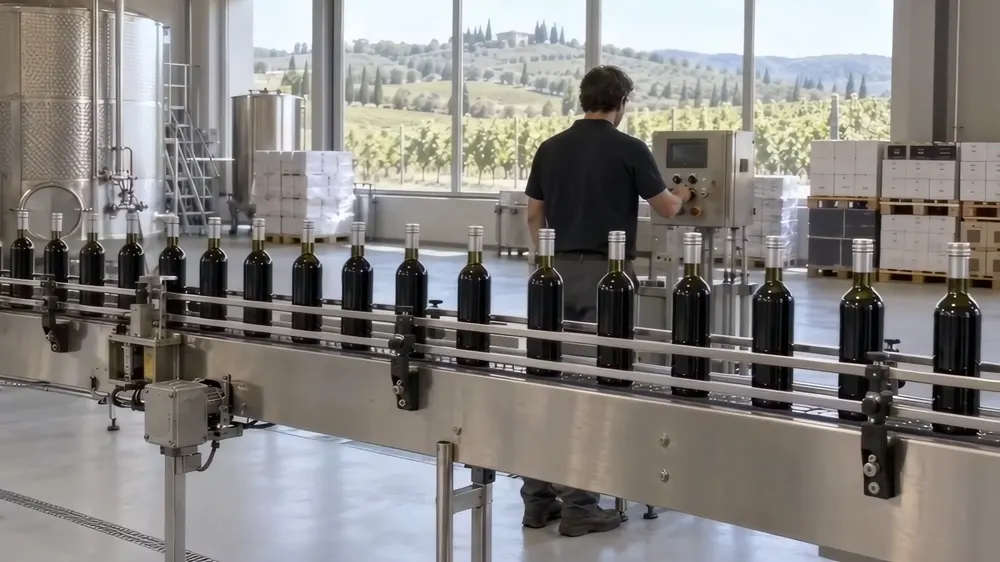
Hi, we need another 5,000 labels for the red, like last time but smaller. Can you do it by Friday? Thanks
What the agent does
- ItemLabel for the red, last order on 12 March
- Quantity5,000
- Other detailsSame as the last order
- Size“Smaller”: by how much?
- DeliveryFriday works: line 2 is free on Thursday
Work order filled in, on hold until the size arrives.
Giulia, in the office, sends it with one click. The check happens before printing.
In practice, here is what we aim for.
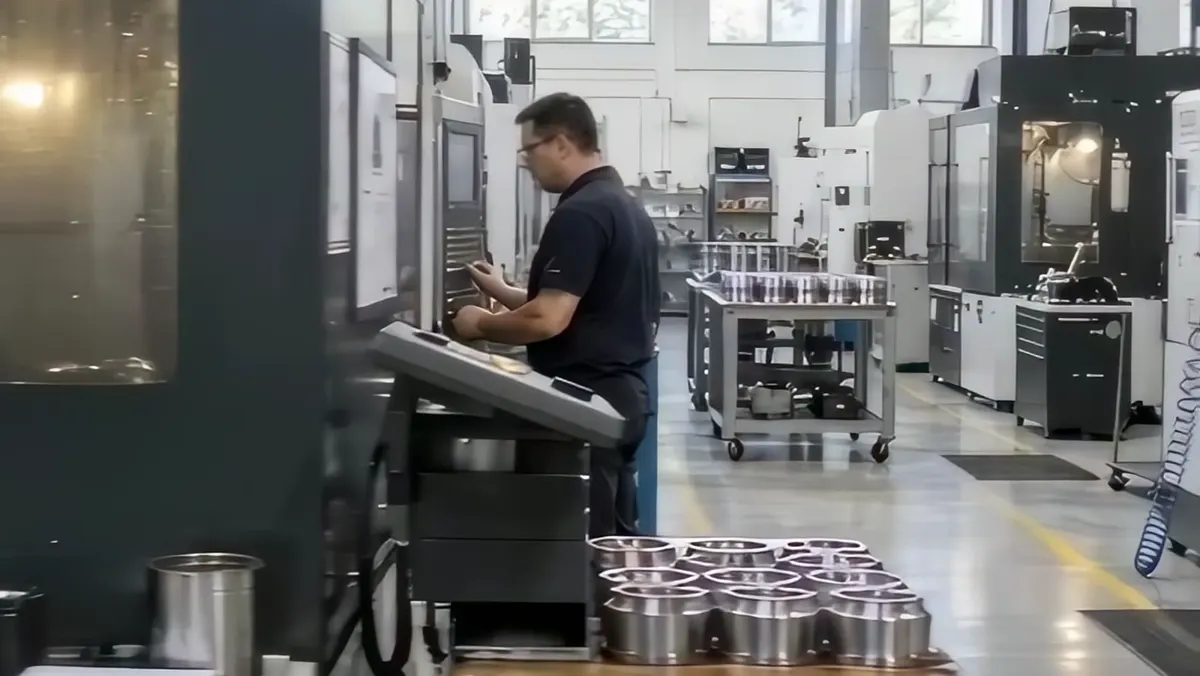 Machine shop
More orders with the same machines.
The production plan accounts for every machine stop, so you know right away if an order fits.
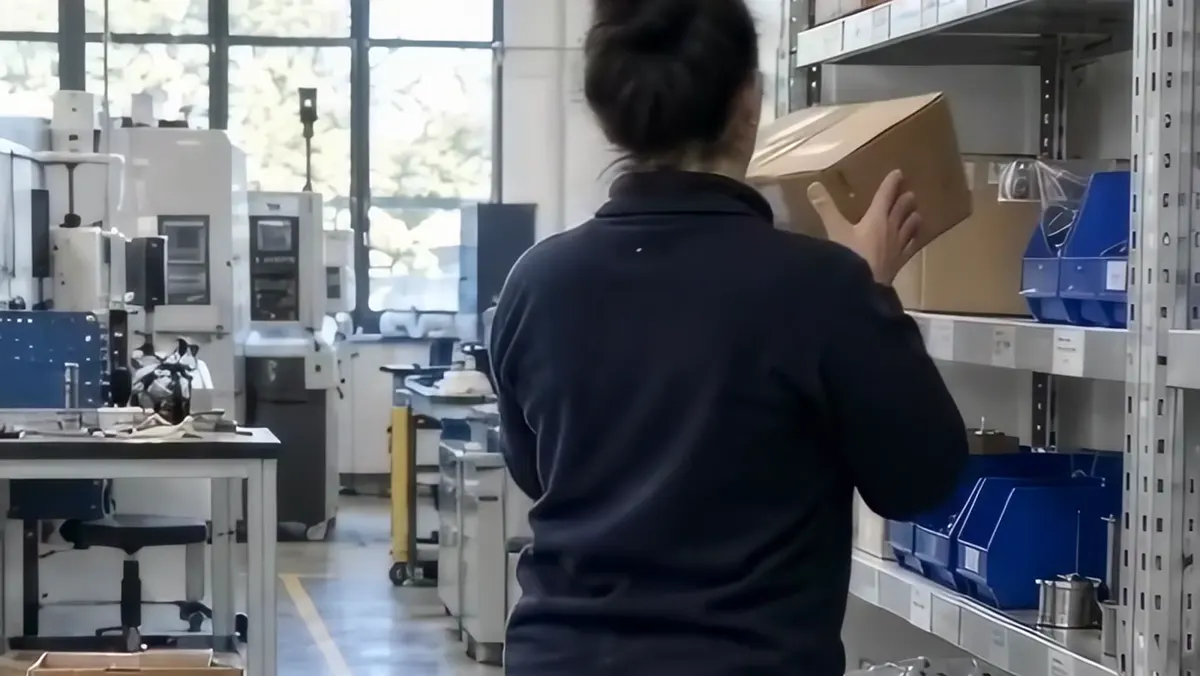 Spare parts
More sales with less stock.
You reorder based on what actually moves.
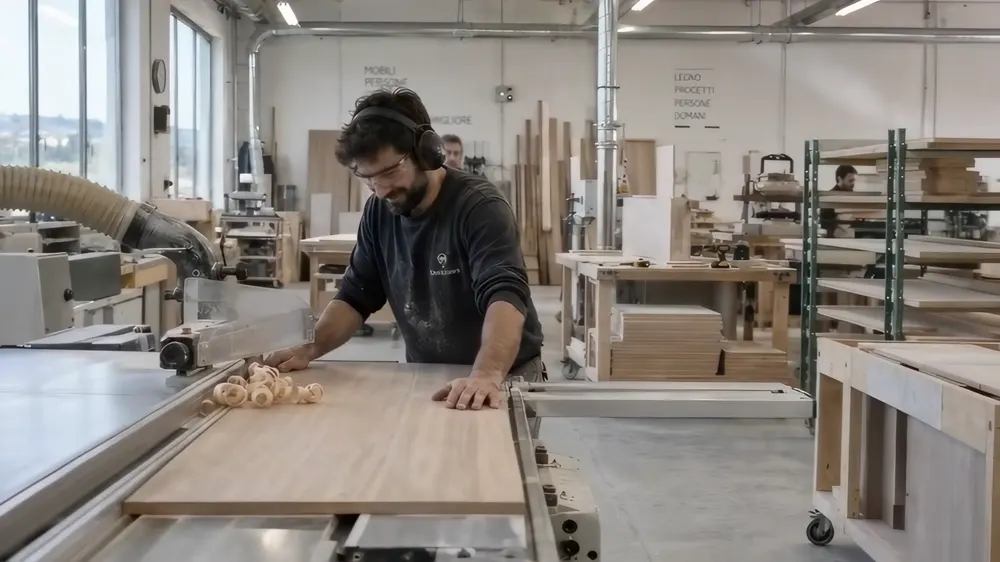
 Furniture maker
Quotes out the same day.
Priced on jobs already done. Then an agent follows them to the signature.
Examples: people, places and data are fictional.
People keep what matters: the craft, and the decisions.
What you pay for
Everything together, we take care of it.
- The map of your work.
- Every step written down, from quote to payment, with the hidden costs in plain view.
- Everything connected.
- Machines, warehouse, orders and email talk to each other. Where data is missing, we bring the sensors.
- Agents at work.
- Your people show them how the work is done. The agent proposes, people decide.
- The measurement, before and after.
- We write down the starting number together. Only what works stays.
Costs and timing come in writing after the first hour: before that they would be guesses. The emails and the data stay yours.
Your numbers
Add up your hidden costs.
Move the sliders. The sum is yours and stays on your screen: we don’t receive it.
The sum uses your numbers, over 12 months and 220 working days. We measure the real one together: it is the number we start from.
See it on your numbersWho it is for
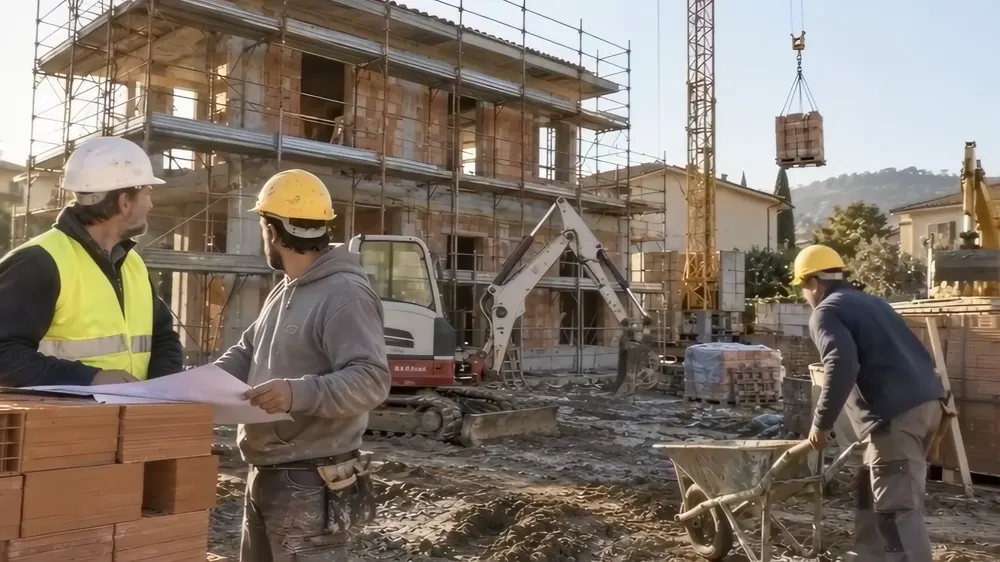
For anyone who makes, repairs, builds, packs or ships.
The trade changes, the steps don’t: order, work, delivery, payment.


Getting started
It starts with an hour, on your real jobs.
We are DYNAMOHOLE S.r.l., in Milan.
An hour together.
At your place, or on a video call if you’re far away. Show us two or three jobs that went wrong, and we work out what they cost.
The starting number.
We write down how many errors happen in a month and how few we want. Costs and timing follow in writing right after.
One problem at a time.
Email and your management system are enough to start. Sensors come later, when we move on to the machines.
Now you decide.
Tell us what you make and how you work today. We will get back to you.
Request sent.
We have it. We’ll get back to you at the contact you left.